
Stomach ulcers, also called gastric ulcers, are open sores in your stomach lining. Though 80 percent of gastric ulcers are caused by a bacterium called Helicobacter pylori, stomach acids and lifestyle factors play a role in their development.
FRUITS AND VEGETABLES
Fruits and vegetables supply rich amounts of antioxidants -- nutrients that strengthen your body's ability to fight infections and disease. Consuming too few nutrient-rich foods may make it more difficult for your ulcer to heal. Fruits and vegetables particularly high in antioxidants include berries, citrus fruits, cantaloupe, kiwi, tomatoes, bell peppers, leafy greens, broccoli, brussels sprouts and winter squash. If acidic foods worsen your symptoms, avoid citrus fruits, tomatoes and tomato products.
NUTS, SEEDS AND PLANT-BASED OILS
Nuts, seeds and plant-based oils provide healthy, unsaturated fats and significant amounts of the antioxidant vitamin E. These types of ulcers have been linked with vitamin E deficiencies. Walnuts, flaxseed and canola oil provide omega-3 fatty acids, which may help reduce inflammation. For heightened benefits, replace saturated fat-rich foods -- such as butter, margarine and high-fat cheese -- with nuts, seeds and oils such as olive, canola, peanut and safflower oil.
WHOLE GRAINS
Whole grains contain all nutrient-rich parts of the grain. As valuable sources of B vitamins, whole grains may help minimize stomach ulcer symptoms. Cutting back on refined grains such as white flour, enriched pasta and instant rice may also help. Whole grains also provide nutritious alternatives to salty snack foods, which may increase stomach acid and inflammation.
YOGURT
Yogurt are prime sources of probiotics -- beneficial bacteria that promote digestive health and immune function. Though research is ongoing, probiotics may help reduce ulcer symptoms. For best potential results, replace high-fat dairy products in your diet with low-fat yogurt and/or kefir that contain "live active cultures," such as lactobacillus acidophilus or Bifidobacterium bifidus.
FRUITS AND VEGETABLES
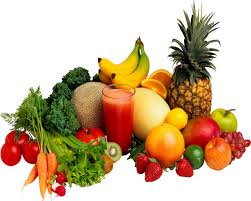
Fruits and vegetables supply rich amounts of antioxidants -- nutrients that strengthen your body's ability to fight infections and disease. Consuming too few nutrient-rich foods may make it more difficult for your ulcer to heal. Fruits and vegetables particularly high in antioxidants include berries, citrus fruits, cantaloupe, kiwi, tomatoes, bell peppers, leafy greens, broccoli, brussels sprouts and winter squash. If acidic foods worsen your symptoms, avoid citrus fruits, tomatoes and tomato products.
NUTS, SEEDS AND PLANT-BASED OILS
Nuts, seeds and plant-based oils provide healthy, unsaturated fats and significant amounts of the antioxidant vitamin E. These types of ulcers have been linked with vitamin E deficiencies. Walnuts, flaxseed and canola oil provide omega-3 fatty acids, which may help reduce inflammation. For heightened benefits, replace saturated fat-rich foods -- such as butter, margarine and high-fat cheese -- with nuts, seeds and oils such as olive, canola, peanut and safflower oil.
WHOLE GRAINS
Whole grains contain all nutrient-rich parts of the grain. As valuable sources of B vitamins, whole grains may help minimize stomach ulcer symptoms. Cutting back on refined grains such as white flour, enriched pasta and instant rice may also help. Whole grains also provide nutritious alternatives to salty snack foods, which may increase stomach acid and inflammation.
YOGURT
Yogurt are prime sources of probiotics -- beneficial bacteria that promote digestive health and immune function. Though research is ongoing, probiotics may help reduce ulcer symptoms. For best potential results, replace high-fat dairy products in your diet with low-fat yogurt and/or kefir that contain "live active cultures," such as lactobacillus acidophilus or Bifidobacterium bifidus.


 Posts
Posts


